The SLJF-1J5KG 5KG Powder Mixing Homogenizer is a small and efficient mixing equipment suitable for laboratories and small batch production.
| Availability: | |
|---|---|
| Quantity: | |
The 5KG Powder Mixing Homogenizer is a compact laboratory-scale blending machine optimized for small-batch production, R&D, and sample testing—ideal for cosmetic labs, pharmaceutical R&D centers, and artisanal manufacturers. With an effective mixing volume of 5kg (16L total tank capacity) and 33rpm adjustable mixing speed (range: 10-100rpm), it offers precise control for formula development. The 22kg lightweight design (dimensions: 460×380×560mm) makes it easy to move between workbenches, while the 304 stainless steel tank meets FDA and GMP hygiene standards. The control panel features a digital display that shows real-time mixing speed and time, with the ability to save up to 10 custom formula programs—streamlining repeated R&D experiments.

Parameter | Specification |
Power Supply | 380V 50Hz |
Motor Power | 4KW |
Motor Speed | 0~2890 R/min (frequency conversion speed regulation) |
Material | Stainless steel (SUS304) |
Dimension(LWH) | 1000*400*1100MM |
Net weight | 120kg |
Uses a dual-impeller (helical + paddle) design that creates a vortex in the tank, ensuring even blending of <1% trace additives (e.g., colorants, preservatives, active ingredients) into base powders. This is critical for experimental formulations (e.g., new eyeshadow shades or medicinal powder prototypes), where trace ingredient uniformity affects product performance.
Operates on just 40w power (220V single-phase), reducing electricity consumption by 80% compared to industrial-scale homogenizers. It can run continuously for 4+ hours without overheating, making it suitable for long R&D sessions (e.g., testing multiple formula variations).
A mechanical seal (made of PTFE and ceramic) prevents powder leakage from the tank-motor connection, extending bearing lifespan to >5000 hours (twice the lifespan of standard rubber seals). The seal is easy to replace—no specialized tools required—and replacement kits are available as accessories.
Laboratory R&D: Cosmetic formula testing (e.g., developing new foundation shades, testing sunscreen powder SPF efficacy), pharmaceutical prototype development (e.g., testing new drug powder blends), and material science research (e.g., studying powder-particle interaction).
Small-batch production: Artisanal cosmetic blends (handmade loose powder, organic blush), small-batch medicinal powders (for clinical trials), and custom food additives (e.g., specialty flavoring powders for boutique bakeries).
Educational institutions: Material science and chemical engineering experiments (teaching powder mixing principles, particle size analysis), and cosmetology schools (training students in formula preparation).
Nutraceutical industry: Small-batch mixing of protein powders with vitamin/mineral additives for sample production (e.g., sending samples to retailers or consumers for feedback).
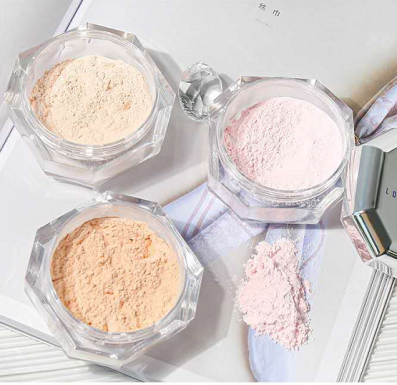
A: Typically 6-8 minutes for complete homogenization of 5kg powder (e.g., talc + mica blend). The mixing time can be adjusted via a digital timer (1-30 minutes), and an automatic stop function activates once the set time is reached to prevent over-mixing (which may cause powder compaction).
A: Yes, it is compatible with particles up to 2mm in diameter—suitable for mixing small granular additives (e.g., microbeads in exfoliating powders, small vitamin pellets in nutritional blends). For larger granules (2-5mm), we recommend pre-crushing to ≤2mm for optimal mixing.
A: The machine is factory-calibrated to ensure mixing uniformity (±1% for small batches). Recalibration is recommended annually for precision applications (e.g., pharmaceutical R&D), and we provide a calibration kit (including standard reference powders) and step-by-step guide for in-house calibration. For critical applications, we also offer on-site calibration services.
When you plan on shipping cosmetic machinery internationally, you need to understand how to choose the right shipping method, follow all regulations, and protect your equipment during transit. You must pay close attention to each step to avoid delays and unexpected costs. Jaywin Machinery stands out
Imagine you discover a new face cream or powder and wonder if it is safe for your skin. You want to trust that every product on the shelf meets strict standards. Quality Control in Cosmetic Cream and Powder Production Lines ensures this trust. You benefit from safe and effective products because com
Every factory layout brings its own challenges. You need equipment that adapts to your space and workflow. Jaywin Machinery delivers customized cosmetic machinery solutions, helping you reach higher productivity levels. Many companies have seen output rise by 30% and labor costs drop by almost half
You face a typical cosmetic powder production cost ranging from $50,000 to $250,000, depending on scale and quality targets. Understanding each cost component is critical for your cosmetic business. This breakdown of costs helps you plan and budget efficiently. You should focus on:Ingredient, labor,
Understanding shear stress cosmetics is vital if you want to create stable, high-quality cream formulations, especially for sensitive products. Shear stress cosmetics directly influences how your creams hold up during storage and use. Have you ever noticed cream separation or changes in texture afte
Image Source: pexelsYou want to know which filling machine will work best for your lip gloss production. The answer depends on several important factors. Many cosmetic manufacturing equipment options exist, but your choice should fit your production volume, flexibility needs, budget, and the quality
You play a key role in the fast-growing world of foundation cream manufacturing. The market continues to expand:The global foundation cream market reached $9.5 billion in 2023.Projections show growth to $14.8 billion by 2032, with a CAGR of 4.9%.The cosmetics foundation sector expects a 6.38% annual
A real-world cosmetic cream production line case study gives you a clear look into how factories actually work. You see the real challenges and solutions that shape daily production. By learning from Jaywin-machinery’s customer experiences, you discover how advanced machines and custom solutions lea
You can make your cosmetic production line use less energy by buying better machines and making your work steps better. Manufacturers who use energy efficient cosmetic equipment see many quick benefits:Lower production costs because they use less energy and make less wasteA smaller carbon footprint
You face unique challenges when moving from lab scale to production scale cosmetics. Achieving homogeneity, consistent particle distribution, and avoiding air inclusions can impact your final product. Careful planning and the right equipment ensure safety, product quality, and process efficiency. Ch
You need to choose the right mixing method for each cosmetic product. Dry mixing works best for powders, eyeshadows, and blushes. Wet mixing suits creams, foundations, and concealers. This decision affects texture, color payoff, and how well your product performs. Efficient mixing also saves time an
Image Source: pexelsYou create compact powder through a precise series of steps that each play a vital role in quality and safety. You start with high-quality, cosmetic-grade ingredients for safety and effectiveness. You grind and pulverize these materials to achieve a smooth texture and even applic
Choosing between a piston filling machine and a peristaltic filler can transform your cosmetics production line. The right equipment helps you match the viscosity of your creams and gels with the speed and accuracy you need. Jaywin Machinery leads the way in advanced filling solutions for cosmetic m
You can integrate powder filling and pressing machines into a complete production line with the right expertise. Jaywin Machinery helps you achieve seamless integration, ensuring you meet high standards in cosmetics manufacturing. Recent studies show that combining these technologies in a powder fil
You know that controlling temperature is important for good products. In a hot pour filling system, small changes in temperature can affect your formulas. These changes can make them look and feel different. Jaywin Machinery makes machines to help with these problems. You get the same results every
New technology is changing the way you press cosmetic powders. You see more companies worldwide choosing automatic and smart machines. Markets in Japan, Australia, South Korea, and Russia lead this trend. They invest in advanced automation and focus on eco-friendly processes. These changes help you
The most important factor when you choose PPGI steel supplier is proven reliability and product quality. If you select an unreliable supplier, you risk facing issues like hardness problems, bubbles in coatings, and surface pitting. These problems often result from poor heating conditions, foreign ma
Image Source: pexelsAre you ready to launch your own cosmetic powder brand? Choosing the right private label cosmetic equipment makes a huge difference in your success. Reliable machines help you:Create consistent, high-quality products for your customersMeet industry rules and avoid compliance head
You must prioritize proactive steps to prevent cosmetic cream production contamination. Every stage in your process demands strict attention to safety and product quality. Advanced machinery plays a vital role in minimizing risks and supporting high hygiene standards. By adopting best practices and
If you have a small lab or a boutique cosmetics brand, a manual eyeshadow pressing machine can help you save money. It also lets you make small batches easily. Bigger factories use automatic models. These machines make more products and need less workers. You should pick the machine that fits your g