
English


Views: 0 Author: Site Editor Publish Time: 2025-12-25 Origin: Site


You must prioritize proactive steps to prevent cosmetic cream production contamination. Every stage in your process demands strict attention to safety and product quality. Advanced machinery plays a vital role in minimizing risks and supporting high hygiene standards. By adopting best practices and leveraging the latest technology, you protect your brand and ensure consumer trust.
Prioritize hygiene protocols at every stage of production to minimize contamination risks. Regular cleaning and staff training are essential.
Use advanced machinery, like automated systems, to enhance cleanliness and reduce human error in the production process.
Monitor and test for common contaminants, such as preservatives and heavy metals, to ensure product safety and compliance with regulations.
Select appropriate packaging solutions that protect creams from air and light exposure, which can lead to contamination.
Implement strict quality control measures, including microbial testing, to confirm the safety and effectiveness of cosmetic creams before they reach consumers.
You face several types of contaminants in cosmetic cream production contamination. These substances can enter your products during manufacturing, storage, or packaging. The most common contaminants include preservatives, solvents, heavy metals, and antibacterial agents. Each poses unique risks to product safety and consumer health.
Contaminant | Typical Uses | Average Exposure | Health Risks | Regulatory Limits | Vulnerable Populations |
|---|---|---|---|---|---|
Parabens | Preservatives | Up to 0.8% | Endocrine disruption, reproductive toxicity | EU: max 0.8% per paraben; banned in leave-on products for children <3 years | Pregnant women, adolescents |
Phthalates | Solvent | Up to 1% | Reproductive toxicity, reduced sperm quality | EU: Banned; US: No restriction | Pregnant women, infants |
Formaldehyde | Preservatives | 0.2%–1.0% | Group 1 carcinogen, skin sensitization | EU: banned; US: ≤0.2% in non-aerosol cosmetics | Hairdressers, children |
Heavy Metals | Contaminant | Lead: 0.000719% | Neurotoxicity, carcinogenicity | EU: banned unless technically unavoidable; FDA: ≤10 ppm lead | Children, pregnant women |
Triclosan | Antibacterial | Up to 0.3% | Thyroid hormone disruption | EU: banned; US: banned in hand soaps (2017) | Children, endocrine-sensitive individuals |
Talc | Texture enhancer | N/A | Potential asbestos contamination | N/A | N/A |
You must monitor these contaminants closely. Regulatory agencies set strict limits to protect vulnerable groups, including children and pregnant women. Regular testing helps you maintain compliance and reduce cosmetic cream production contamination.
You encounter contamination from many sources in your facility. These include physical, chemical, and microbiological threats. Physical contamination comes from hair, dust, dirt, and pollen. Chemical contamination results from cleaning agents or leftover residues. Microbiological contamination involves bacteria and molds that spoil products.
Tip: Personnel movement, touching, and breathing release skin particles and microorganisms. You should enforce strict hygiene protocols to minimize these risks.
Other sources include:
Airborne fibers and small particulates that move unpredictably.
Liquids and moisture, which create breeding grounds for bacteria.
You also need to watch for batch-to-batch contamination, where residues from previous batches affect new ones. Product-to-product contamination happens when different products mix due to improper storage or handling. Foreign material contamination occurs when unrelated items enter your product during processing.
You must address these sources to prevent cosmetic cream production contamination. Clean facilities, proper equipment maintenance, and staff training help you control risks and protect your brand.
You must recognize the serious health risks that cosmetic cream production contamination poses to consumers. When hazardous substances enter your creams, you expose users to a range of problems.
Long-term exposure to contaminated creams can trigger skin sensitivity and allergies.
Some ingredients, such as formaldehyde, are known carcinogens and may cause lung or nasal cancer.
Chronic contact with toxic chemicals can result in headaches, dizziness, and even chronic diseases.
Hormone disruption and reproductive issues may develop from certain preservatives and solvents.
Ingredients like methylisothiazolinone and butylated hydroxyanisole often lead to skin irritation and genetic toxicity.
Artificial preservatives, including BHA, have links to developmental and reproductive toxicity and are banned in many regions.
Note: You protect your customers by monitoring ingredient safety and maintaining strict hygiene throughout your process.
You must follow strict regulatory standards to prevent cosmetic cream production contamination. Good Manufacturing Practices (GMP) set clear requirements for every stage of production. The following table outlines key GMP categories and their requirements:
Category | Key Requirements |
|---|---|
Building and Facilities | Buildings must support sanitary operations. Surfaces should be smooth and easy to clean. Fixtures must prevent contamination from drips or condensate. Lighting and ventilation must be adequate. Sanitary facilities must meet operational needs. |
Equipment | Equipment must prevent contamination. Utensils and surfaces require regular maintenance and sanitation. Store cleaned equipment to avoid recontamination. |
Personnel | Train staff in hygiene and safety. Require protective garments for direct material contact. Restrict food and drink to designated areas. |
Raw Materials | Store materials securely. Use closed, labeled containers. Test materials, especially those of animal or vegetable origin, for contamination. |
Production | Maintain written manufacturing instructions. Keep equipment clean and in good repair. Test samples for contamination and compliance. Identify materials properly. |
Laboratory Controls | Test raw materials and products to verify compliance with contamination and quality specifications. |
You must also avoid common regulatory violations. These include poor employee training, inadequate equipment maintenance, improper storage, and lack of documentation. International GMP standards, such as those under the US MoCRA law, may differ from local regulations. You need to comply with both to ensure product safety and maintain your reputation.
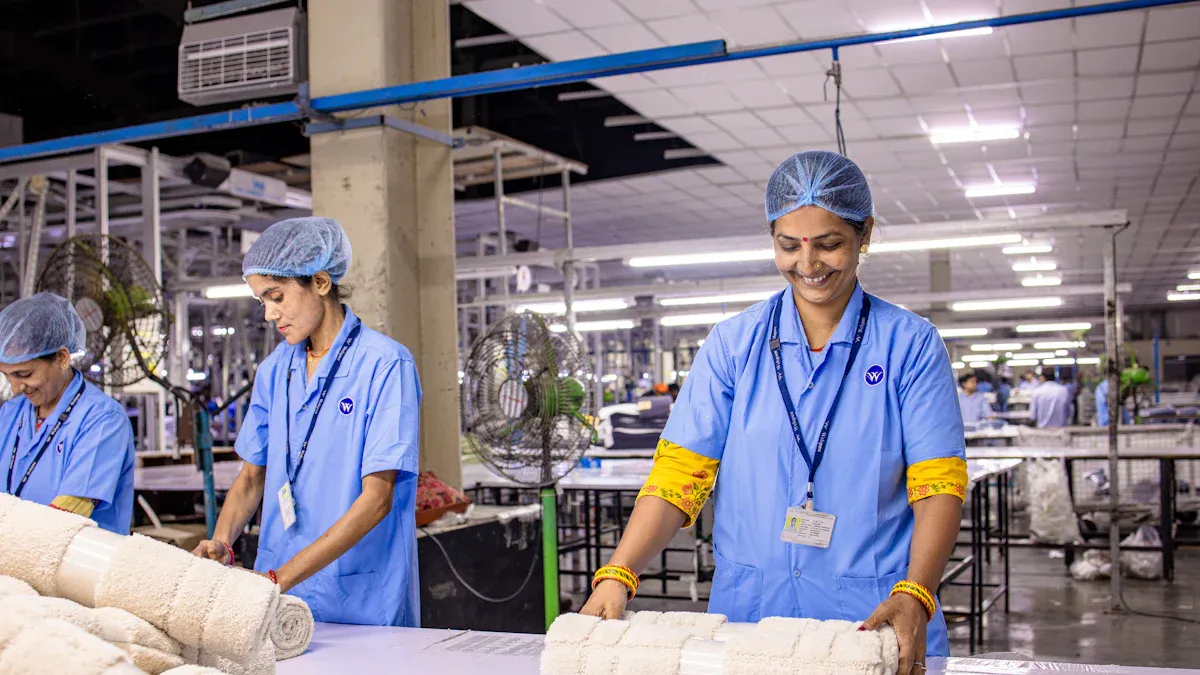
Image Source: pexels
You must keep your facility and equipment clean to prevent cosmetic cream production contamination. Daily cleaning of clean rooms removes dust and contaminants. High-risk areas require even more frequent cleaning to meet strict air quality standards. You should schedule routine deep cleaning every month or quarter, based on your clean room classification.
For your equipment, you need a residue-monitoring program. This program helps you decide how often and how thoroughly to clean each machine. A risk assessment guides your cleaning schedule and methods. This approach ensures your cleaning process stays effective and supports product safety.
Clean rooms: Clean daily.
High-risk zones: Clean more often.
Deep cleaning: Perform monthly or quarterly.
Equipment: Monitor residues and adjust cleaning frequency as needed.
Tip: Consistent cleaning and maintenance reduce the risk of contamination and help you meet regulatory standards.
You gain a major advantage when you use Jaywin Machinery’s cosmetic cream equipment. The automated cleaning features reach every crevice and nook, unlike manual cleaning, which can miss hidden areas. This design reduces the risk of contamination and keeps your products safe. Automated systems also protect your workers by removing the need for them to enter hazardous environments.
Facilities that use robotic and automated production lines see much lower contamination rates compared to manual operations:
Robotic systems reduce contamination levels significantly.
For some substances, contamination drops by up to twenty-three times.
Automated lines help you maintain consistent hygiene and product quality.
Jaywin Machinery’s equipment supports your sanitation efforts with easy-to-clean surfaces and automated controls. You can trust these machines to help you prevent cosmetic cream production contamination and maintain high standards in your facility.
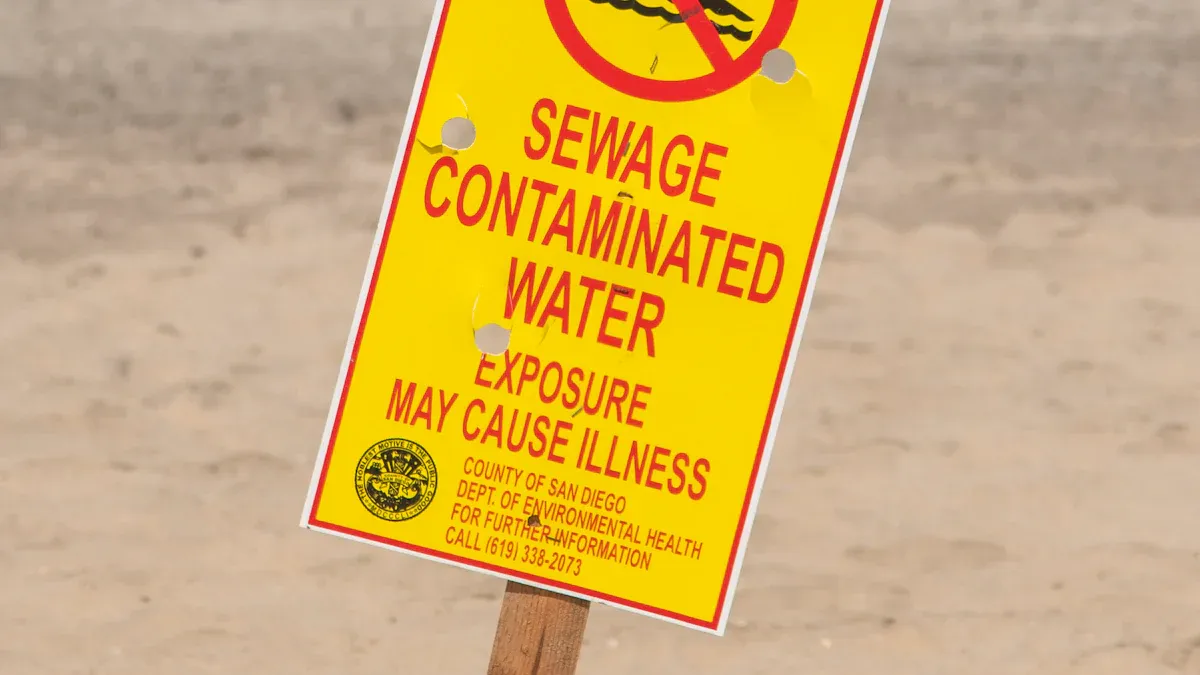
Image Source: unsplash
You must prioritize water quality in cosmetic cream production. Water acts as a key ingredient and a potential source of contamination. Many manufacturers now avoid municipal water because it contains higher levels of impurities. You should use Purified Water, such as USP Purified Water, to reduce contamination risks and meet industry expectations for safety and quality.
Tip: High-purity water helps you maintain product integrity and comply with regulations that require cosmetics to be free from adulteration.
You can treat and purify water using several advanced methods:
Vacuum evaporation reduces effluent concentrations.
Reverse osmosis and nanofiltration remove volatile compounds.
Hydrodechlorination eliminates chlorinated substances with noble metal catalysts.
Advanced Oxidation Processes (AOPs) degrade organic contaminants.
Coagulation-flocculation and DAF systems separate suspended solids and organic matter.
Membrane bioreactors treat chemical oxygen demand (COD) and nutrients.
Combining these technologies ensures efficient water reuse and high-quality treated water.
Jaywin-machinery recommends integrating advanced filtration and reverse osmosis systems into your production line. These solutions help you achieve consistent water purity and minimize contamination risks.
You must handle raw materials with care to prevent contamination in cosmetic cream production. Establish a routine cleaning schedule for all workspaces and tools. Store ingredients in airtight containers to protect them from airborne particles and moisture. Conduct regular quality checks on both raw materials and finished products.
Best Practice | Description |
|---|---|
Hygiene and Sanitation | Implement GMP to regulate hygiene at every stage of production. |
Facility Design | Design facilities to prevent intermingling and allow effective cleaning. |
Storage Areas | Use quarantine zones and control temperature and humidity to prevent dust. |
Goods Acceptance | Protect materials from weather during unloading and loading. |
Production Areas | Maintain independent spaces to prevent cross-contamination. |
You should inspect storage areas often to ensure they meet hygiene standards. Use airtight containers and maintain controlled environments to safeguard ingredient quality. These steps help you prevent contamination and maintain the highest standards in your cosmetic cream production.
You must select effective preservatives and antimicrobials to prevent microbial contamination in cosmetic cream production. Preservation relies on both synthetic and naturally-derived ingredients. Synthetic preservatives, such as parabens and isothiazolinones, offer broad-spectrum protection. Plant extracts provide natural alternatives for brands seeking cleaner labels. Multifunctional ingredients, including chelating agents and surfactants, enhance preservation by disrupting microbial growth.
Preservative Type | Regulatory Compliance | |
|---|---|---|
Methylchloroisothiazolinone | 0.1% in CPS1 | Yes |
Phenoxyethanol | 0.8% in BWSG1 | Yes |
Parabens (various) | 0.8% in BWSG1 | Yes |
Chlorphenesin | Effective | Yes |
You should consider the following options for your formulations:
Parabens disrupt bacterial cell membranes and inhibit enzymes.
Phenoxyethanol remains stable across a wide pH range and provides broad-spectrum protection.
Formaldehyde releasers deliver powerful antimicrobial effects.
Chlorphenesin offers antifungal and antibacterial properties.
Tip: Always verify regulatory compliance for each preservative in your target market. Regularly review ingredient safety to protect your customers and maintain product integrity.
You must prioritize packaging and sealing solutions to minimize cosmetic cream production contamination. Packaging plays a critical role in protecting creams from air, light, and environmental exposure. Inadequate sealing leads to product wastage, oxidation, and dissatisfied customers. Water-based and natural creams are especially vulnerable to microbial contamination if the packaging system fails.
Consider these best practices for packaging and sealing:
Airtight sealing is essential for preservative-free creams to block bacterial entry.
Airless pump packaging prevents direct contact with air, reducing contamination risks.
Leakage during shipping can damage labels and packaging, resulting in negative customer experiences.
Tight-sealing caps protect high-end facial oils from leakage caused by air pressure changes.
Active ingredients in creams are sensitive to light, air, and temperature. Airtight packaging maintains stability and extends shelf life.
Packaging material selection also affects contamination risk:
Open glass jars are more susceptible to contamination than tubes or airless dispensers.
Airless dispensers minimize air penetration, reducing oxidation and contamination.
Aluminum tubes prevent germ-contaminated air from entering during use, while plastic tubes may draw in external air.
Note: You should match packaging type to product formulation and intended use. This approach helps you maintain product quality and customer satisfaction.
You gain significant advantages by integrating Jaywin-machinery’s automated production line solutions into your facility. The Four-head Cosmetic paste heating, filling and freezing production line exemplifies contamination prevention through automation and process control. This advanced system streamlines heating, filling, freezing, and capping, ensuring each step meets strict hygiene standards.
Automated filling and sealing equipment offers these documented benefits:
Automation reduces manual labor and human error, increasing consistency and speed.
Multifunctionality adapts to various container sizes and materials, enhancing flexibility.
High productivity processes hundreds of units per minute with precision, meeting high demand.
Cost-effectiveness lowers labor costs and minimizes product waste, improving profitability.
Hygiene and safety minimize contamination risks with enclosed systems and sanitary designs.
Jaywin-machinery’s production line features servo piston-driven filling, double-layer heating, and PLC program control. These innovations ensure precise filling, uniform heating, and effective freezing. The enclosed design and automated controls maintain a sanitary environment, reducing the risk of cosmetic cream production contamination.
Tip: You should regularly maintain and calibrate automated equipment to ensure optimal performance and compliance with industry standards.
You can explore Jaywin-machinery’s Four-head Cosmetic paste heating, filling and freezing production line for advanced contamination prevention. This solution supports your commitment to product safety, efficiency, and regulatory compliance.
You must use reliable microbial testing procedures to ensure cosmetic cream quality control. Microbiological tests help you detect contamination, monitor microbial growth, and confirm product safety before your creams reach customers. You should conduct these tests during production and before distribution.
A typical microbial testing workflow includes these steps:
Receive samples in the lab using aseptic techniques.
Neutralize the product in nutrient broth.
Transfer the sample into petri dishes and add agar.
Incubate at 30° to 35°C for three days.
Incubate at 20° to 25°C for five to seven days.
Perform an enrichment step to encourage microbial growth.
Examine plates for bacteria on tryptic soy agar and for yeast or mold on potato dextrose agar.
Enumerate and characterize any microbial growth, especially harmful organisms like Staphylococcus aureus.
Enter results into your laboratory information system.
Review and release a Certificate of Analysis to confirm product safety.
Microbial testing helps you identify harmful microorganisms that can spoil products or cause infections. Regular testing ensures your creams remain safe, effective, and compliant with regulations.
You must manage shelf life carefully to maintain cosmetic cream safety and effectiveness. The FDA does not require specific expiration dates, but you are responsible for ensuring your products remain safe throughout their intended use.
Follow these best practices for shelf life management:
Store creams in controlled environments to prevent degradation.
Conduct shelf life testing to meet national and international safety standards.
Evaluate how storage conditions affect product stability.
Use preliminary tests to check ingredient quality and stability.
Perform final analysis to validate shelf life and prevent spoilage.
Step | Purpose |
|---|---|
Quantity Production | Ensure consistency between lab and full-scale runs |
Filling of Product | Check packaging integrity to prevent contamination |
Preliminary Test | Confirm ingredient stability and quality |
Storage of Product | Assess impact of storage on product stability |
Final Analysis | Validate shelf life through comprehensive testing |
Regular microbial testing and proper shelf life management protect your customers and your brand reputation. You ensure your cosmetic creams remain safe, stable, and effective from production to end use.
You must follow strict guidelines to prevent contamination in cosmetic cream production. Leading manufacturers rely on proven strategies to maintain product safety and quality.
Cleanroom Standards: Operate in Class D or ISO 8 cleanrooms to control air quality and minimize contamination risks.
Personnel Training: Train staff in hygiene and proper gowning procedures. Well-trained employees reduce the risk of introducing contaminants.
Cleaning and Disinfection: Schedule regular cleaning and use dedicated equipment for each production area. Consistent cleaning keeps your facility safe.
Environmental Monitoring: Monitor temperature, particle counts, and microbial levels continuously. This practice ensures a clean production environment.
Tip: You should document every cleaning and monitoring activity. Detailed records help you meet regulatory requirements and support audits.
You can strengthen your contamination prevention efforts by investing in specialized training programs. The following table highlights two effective options:
Training Program | Key Features |
|---|---|
Covers global GMP regulations, recordkeeping, and audit preparation. Ideal for manufacturers. | |
Quality Professional’s Training | Focuses on deviation management, continual improvement, and superior product quality. |
You play a vital role in keeping cosmetic creams safe. Simple habits help you avoid contaminated products and protect your skin.
Wash your hands before starting your skincare routine.
Use applicators or spatulas to avoid direct contact with creams.
Keep products tightly closed and store them in a cool, dark place.
Use separate brushes and sponges for different products.
Clean makeup tools regularly to remove bacteria.
Never share cosmetics with others.
Avoid using public tester products.
Discard expired creams promptly.
Sanitize makeup and skincare items with antibacterial sprays.
Wash makeup bags often to eliminate hidden contaminants.
Choose creams with naturally protective ingredients, such as antibacterial botanicals.
Note: You should always check the expiration date and packaging integrity before using any cosmetic cream. These steps help you maintain healthy skin and avoid unnecessary risks.
By following these manufacturer guidelines and consumer safety tips, you support contamination prevention in cosmetic cream production and daily use. Jaywin-machinery encourages you to adopt these best practices for optimal safety and product quality.
You can prevent contamination in cosmetic cream production by following strict hygiene protocols, using advanced equipment, and performing regular testing. These steps help you identify and resolve issues before products reach customers. You also protect consumers from harmful bacteria and allergens. Automated solutions from Jaywin-machinery improve safety and efficiency.
Quality control ensures safe, high-quality creams.
Microbiological testing confirms products are free from harmful organisms.
Choose Jaywin-machinery for reliable contamination control. Contact us today to enhance your production line.
You often see contamination from personnel, airborne particles, and improper equipment cleaning. Jaywin-machinery’s automated systems help you reduce these risks and maintain high standards in cosmetic manufacturing.
You benefit from automated cleaning, enclosed designs, and precise filling. These features minimize human contact and reduce contamination risks in your cosmetic cream production process.
You need high-purity water to prevent microbial growth and chemical contamination. Jaywin-machinery recommends advanced filtration systems to ensure safe, compliant cosmetic cream production.
You should test every batch before release. Regular microbial testing helps you catch contamination early and ensures your cosmetic creams meet safety and regulatory standards.
You can request customized solutions. Jaywin-machinery adapts equipment to handle various viscosities, colors, and packaging needs, supporting your contamination prevention goals.


