
English


Views: 0 Author: Site Editor Publish Time: 2026-02-17 Origin: Site


You face a typical cosmetic powder production cost ranging from $50,000 to $250,000, depending on scale and quality targets. Understanding each cost component is critical for your cosmetic business. This breakdown of costs helps you plan and budget efficiently. You should focus on:
Ingredient, labor, and packaging costs for accurate unit cost calculation
Identifying necessary versus optional expenses
Including formulation, branding, certifications, and marketing in your budget
Jaywin Machinery stands as a trusted provider of cosmetic powder equipment and solutions. Use this guide to make your business decisions more actionable and efficient.
Startup costs for cosmetic powder production range from $50,000 to $250,000. Plan your budget carefully to avoid unexpected expenses.
Understand key cost drivers like raw materials, labor, and technology. Monitor these factors to maintain competitive pricing.
Choose packaging materials that protect your product and align with your brand image. Strong branding can attract customers and build loyalty.
Invest in high-quality equipment to improve efficiency and reduce long-term costs. Custom solutions can fit your specific production needs.
Regularly review your production process and supplier relationships. Small adjustments can lead to significant savings and improved operations.
Image Source: pexels
You need to understand the startup cost before launching your cosmetic business. The startup cost for cosmetic powder production usually falls between $50,000 and $250,000. This range depends on your production scale, the quality of your ingredients, and the complexity of your formulations. You must consider the initial investment in equipment, facility setup, and regulatory compliance. Many cosmetic manufacturers costs include purchasing advanced machinery, hiring skilled staff, and securing high-quality raw materials.
You can break down the main categories of expenses using the following table:
Category | Description |
|---|---|
Raw Materials | Ingredients such as oils, waxes, pigments, and preservatives that are essential for product creation. |
Labor Costs | Expenses related to skilled workers needed for formulation, testing, and packaging of products. |
Packaging | Costs associated with materials used for product packaging, which is crucial for consumer attraction. |
Marketing | Expenses for promoting products through various channels to reach target audiences. |
Distribution | Costs related to transportation, warehousing, and logistics to ensure timely delivery to consumers. |
You must plan for each category to avoid unexpected expenses. Careful budgeting helps you manage cosmetic powder production cost and ensures your business stays competitive.
Several factors drive cosmetic manufacturers costs and impact your total production costs. You should pay attention to these primary cost drivers:
Raw material sourcing affects your expenses. The price of natural ingredients, such as gemstone powders, can change quickly and increase your cosmetic powder production cost.
Labor costs play a major role. Skilled workers are essential for formulation, testing, and packaging. Rising wages in some regions can increase your overall costs.
Technological advancements require investment. New machinery and processing technologies may raise your initial costs, but they can improve efficiency and reduce long-term expenses.
You must also watch for fluctuations in raw material prices. These changes can increase production costs and reduce your profit margins. You may find it difficult to pass higher costs to customers, which can affect your sales and competitiveness. Sudden price shifts can disrupt inventory management and supply chain operations, making production and fulfillment more complicated.
Tip: Track market trends and supplier pricing regularly. This helps you anticipate changes and adjust your business strategy to protect your margins.
You can control cosmetic powder production cost by understanding these key drivers. Careful planning and monitoring help you build a strong foundation for your cosmetic business.
You need to understand the types of ingredients used in cosmetic powder production. Ingredient selection impacts both product quality and cosmetic manufacturers costs. Common ingredients include pigments, binders, fillers, and specialty additives. You often see prices vary based on purity and brand. For example:
Kojic Acid Powder: Prices range from $11.06 to $32.99 depending on purity, packaging, and brand.
Mica: Used for shimmer, prices can range from $10 to $25 per kilogram.
Talc: Often costs between $2 and $5 per kilogram.
Silica: Average price is $8 to $15 per kilogram.
Ingredient quality and sourcing region play a crucial role in determining raw material expenses. You may notice that variability in ingredient quality from different regions affects the performance and stability of your final product. This can lead to additional testing and evaluation costs. Lead times and manufacturing locations also impact expenses. Delays or sourcing from regions prone to natural disasters can disrupt supply chains and increase costs.
Tip: Always check the origin and quality certifications of your ingredients. This helps you avoid unexpected increases in cosmetic manufacturers costs.
You can reduce ingredient costs by using effective sourcing strategies. Bulk purchasing allows you to negotiate better prices and secure a stable supply of raw materials. Maintaining relationships with multiple suppliers enhances your negotiating power and helps manage risks associated with price fluctuations and supply shortages.
The following table shows key insights for sourcing strategies:
Source | Key Insights |
|---|---|
Effective Supply Chain Management | Essential for navigating complexities in sourcing, leveraging technology and collaboration. |
B2B Guide to Sourcing Cosmetics Ingredients Wholesale | Reliable suppliers are crucial for product quality and business success. |
Ultimate Guide to Buying Bulk Ingredients Efficiently | Strategic supplier selection, inventory management, and technology integration. |
You should focus on supply chain management and strategic supplier selection. These actions help you control cosmetic manufacturers costs and ensure consistent ingredient quality.
You need to build a skilled team to ensure smooth cosmetic powder production. Each role plays a unique part in maintaining quality and efficiency. The following table shows key positions and their responsibilities:
Role | Description |
|---|---|
Mastering formulation behavior and powder characteristics for stable dispersion. | |
Equipment Selection | Choosing the right mixing technology to match process design and achieve consistent results. |
Process Control | Implementing strategies to maintain reliable product quality and reduce variability. |
You should automate machinery to minimize human error and boost production speed. Regular calibration of equipment helps you achieve consistent results. Training staff ensures safe and efficient operations. These practices help you control labor costs and improve overall output.
Note: Well-trained staff and proper equipment selection reduce cosmetic manufacturers costs by preventing mistakes and maintaining product quality.
You must plan for labor costs when setting up your cosmetic powder production. Wage estimates depend on location, skill level, and production scale. Entry-level workers usually earn $12 to $18 per hour. Skilled technicians and quality control specialists often earn $20 to $35 per hour. Supervisors and production managers may earn $40,000 to $60,000 per year.
You can use the following list to estimate labor costs:
Entry-level operators: $12–$18 per hour
Technicians: $20–$35 per hour
Supervisors: $40,000–$60,000 per year
Labor costs make up a significant portion of cosmetic manufacturers costs. You should monitor wage trends and adjust your budget as needed. Efficient staffing and automation help you manage labor costs and keep your business competitive.
Tip: Review wage rates regularly and invest in staff training. This helps you maintain high standards and control labor costs.
You must select the right packaging materials for your cosmetic powder products. The choice affects both product quality and cosmetic manufacturers costs. Packaging materials vary in durability, transparency, and environmental impact. You see many options in the industry. The table below shows common materials and their characteristics:
Material | Characteristics | Common Applications |
|---|---|---|
AS | High impact strength, excellent heat and chemical resistance, good transparency | Cream jars, powder compacts, eyeshadow palettes |
ABS | High hardness, not environmentally friendly, cannot contact cosmetics | Inner caps, shoulder sleeves |
PP | Environmentally friendly, good heat and chemical stability | Opaque shampoo bottles, lotion bottles |
PE | Environmentally friendly, opaque, soft | Soft tubes, lotion bottles, bottle caps |
PET | High airtightness, good pressure and water resistance, high transparency | Food and beverage bottles, organic skincare packaging |
PETG | Superior transparency, high cost, not recyclable | Cosmetic bottles, perfume bottles |
Acrylics | Thick, hard, resembles glass, poor chemical resistance | Injection-molded bottles (with inner barrier) |
You should consider the product’s needs and your brand’s image when choosing materials. AS and PET offer good transparency for powder compacts. PP and PE provide eco-friendly options. PETG and acrylics give a premium look but increase cosmetic manufacturers costs.
Tip: Select packaging that protects your product and supports your sustainability goals.
Branding and labeling play a major role in your packaging expenses. You must invest in custom label design and printing to make your product stand out. The complexity of your label design, such as using multiple colors or intricate patterns, can raise costs. High-end finishes and premium materials in secondary packaging boost your brand identity but also add to the total expense.
Custom branding, including label design and printing, can significantly influence the final manufacturing cost.
The complexity of label design can increase the cost, with multiple colors and intricate patterns leading to higher expenses.
High-end finishes and premium materials in secondary packaging enhance brand identity but also add to the overall cost.
You should balance branding costs with your budget. Strong branding helps you attract customers and build loyalty. Smart choices in packaging and labeling keep your cosmetic manufacturers costs under control while supporting your marketing goals.
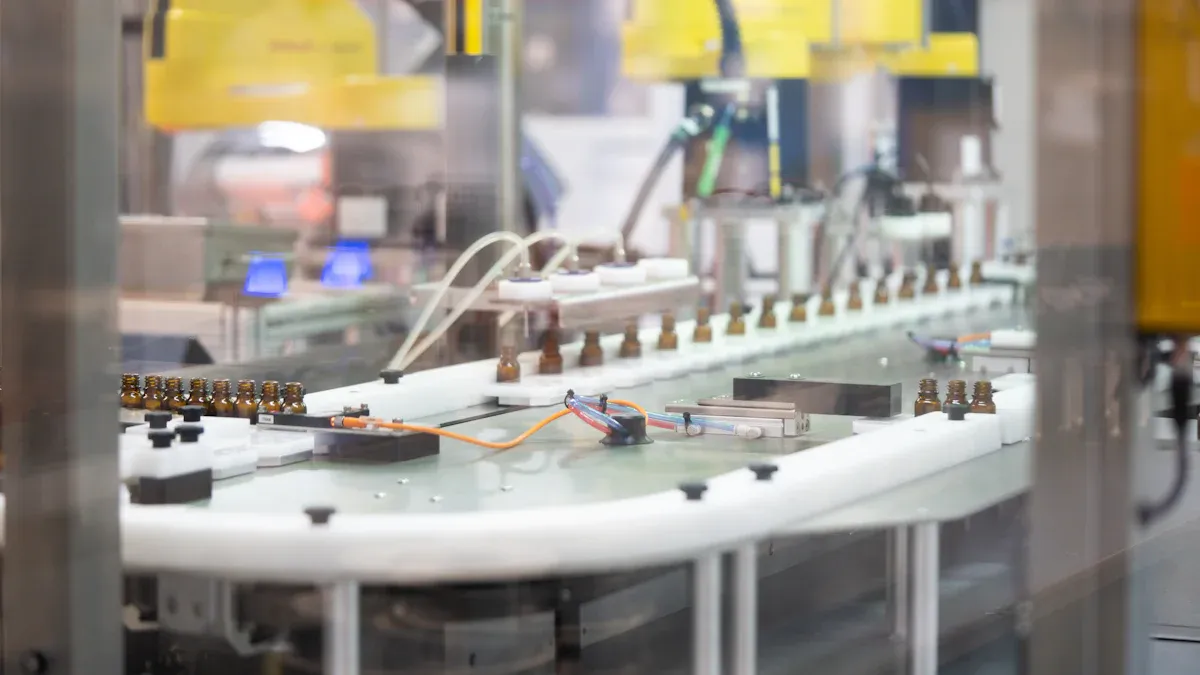
Image Source: unsplash
You need the right equipment to produce high-quality cosmetic powders. Each machine plays a specific role in your production line. The table below shows common machines and their typical price ranges:
Machine Name | Description | Price Range |
|---|---|---|
Automatic filling and pressing for loose and compact powders | $30,000–$150,000 (full line) | |
High-density compaction for R&D and small batches | Custom pricing | |
Wet-pressed and baked powder testing | Custom pricing | |
Compact powder and eyeshadow pressing with adjustable cycles | Custom pricing | |
Removes impurities and ensures powder consistency | Custom pricing |
You should plan for an initial investment between $30,000 and $150,000 for a full production line. Good equipment helps you reduce cosmetic manufacturers costs by minimizing waste and increasing efficiency.
You benefit from Jaywin Machinery’s focus on value, efficiency, and customization. Here are the main advantages:
You get reliable machines that help you avoid costly repairs and downtime.
Jaywin Machinery’s equipment produces more products in less time, which boosts your productivity.
Custom solutions fit your specific needs, whether you make loose powders, eyeshadows, blushes, or compact powders.
You can tailor machines to match your formulas and batch sizes, which helps you control cosmetic manufacturers costs.
Tip: Investing in high-quality, customizable equipment supports your long-term growth and keeps your production line running smoothly.
You can learn more about Jaywin Machinery’s service process and after-sales support on their official website. This support ensures you get the most from your investment.
You need to secure the right facility for cosmetic powder production. The size of your workspace depends on your production scale and equipment needs. Small-scale operations often require 500 to 1,000 square feet. Larger factories may need 5,000 square feet or more. You must plan for areas such as raw material storage, mixing, pressing, packaging, and quality control. Clean rooms help you maintain hygiene standards and prevent contamination. You should also consider ventilation and lighting. Good airflow keeps powders from accumulating in the air. Proper lighting helps your staff inspect products and operate machinery safely.
Tip: Create a floor plan before you lease or buy a facility. This helps you optimize workflow and avoid wasted space.
You must budget for utility expenses when you set up your production line. Utilities include electricity, water, gas, and waste disposal. Equipment like powder presses and screening machines use significant electricity. Water is essential for cleaning and maintaining hygiene. Gas may be needed for heating or baking processes. Waste disposal costs depend on the volume and type of waste generated. You should track monthly utility bills to manage cosmetic manufacturers costs. Efficient machines and LED lighting help you reduce energy consumption. Installing water-saving devices lowers your water bills.
Utility Type | Typical Monthly Cost | Notes |
|---|---|---|
Electricity | $500–$2,000 | Depends on machine usage |
Water | $100–$500 | Cleaning and sanitation |
Gas | $50–$300 | Heating or baking processes |
Waste Disposal | $100–$400 | Varies by waste volume |
You can lower cosmetic manufacturers costs by choosing energy-efficient equipment and monitoring your utility usage. Regular maintenance prevents leaks and reduces unexpected expenses.
You must understand regulatory and compliance costs before launching your cosmetic powder products. These expenses protect your business and ensure your products meet safety standards. You need to budget for licensing, certification, and product testing. These steps help you avoid legal issues and build trust with customers.
You must obtain the right licenses and certifications to operate legally. Each country has its own requirements. You may need a manufacturing license, product registration, and Good Manufacturing Practice (GMP) certification. These documents show that your facility meets hygiene and safety standards. You should check local regulations and update your certifications regularly.
License/Certification | Purpose | Typical Cost Range |
|---|---|---|
Manufacturing License | Legal operation | $500–$2,000 |
GMP Certification | Quality and hygiene compliance | $1,000–$5,000 |
Product Registration | Market approval | $300–$1,500 per product |
Tip: Keep your certifications up to date. This helps you avoid fines and delays in launching new products.
You must test your cosmetic powders to ensure safety and quality. Testing includes stability, microbiological, and allergen checks. You need to submit samples to certified labs. Testing costs depend on the number of formulas and the complexity of your products.
Product testing and regulatory compliance for new cosmetic powder formulations in the European Union usually cost between 1200 and 1500 euros per formula.
You may need to repeat tests if you change ingredients or packaging.
Testing helps you meet legal standards and protects your customers.
You should include product testing in your budget. These costs add to cosmetic manufacturers costs, but they help you avoid recalls and build a strong reputation. You can reduce risks by working with reliable labs and keeping detailed records.
Note: Investing in compliance and testing supports your brand and keeps your business safe.
You need to plan your first marketing campaigns carefully. These campaigns help you introduce your cosmetic powder brand to the market. You should focus on platforms that reach your target audience. Social media, email marketing, and sampling platforms are popular choices. Each platform has different media costs. Facebook ads often cost more than email marketing, but they reach a wider audience. You must also consider the hours your team spends creating, launching, and monitoring each campaign.
Here is a list of typical costs you may face:
Media costs for ads on platforms like Facebook or Instagram
Team hours for campaign creation and monitoring
Fulfillment costs for producing, packaging, and shipping samples
Fees for using sampling platforms
You should track these expenses to manage cosmetic manufacturers costs. Sampling campaigns help you build excitement and collect feedback. You can use these insights to improve your product and marketing strategy.
Tip: Start with a small campaign. Measure results before you invest more money.
You must build a strong brand to stand out in the cosmetic industry. Your brand tells your story and shows your values. You should create a logo, choose colors, and design packaging that matches your brand identity. Consistent branding helps customers recognize your products. You can use social media to share your brand message and connect with your audience.
You need to invest in professional design and photography. High-quality images make your products look appealing. You should also develop a brand voice that fits your target market. Clear messaging builds trust and loyalty.
You must include branding expenses in your budget. These costs add to cosmetic manufacturers costs, but they help you attract customers and grow your business.
Note: Strong branding makes your products memorable and increases your chances of success.
You must manage logistics and distribution to keep your cosmetic powder production efficient and cost-effective. Shipping costs and inventory management play a big role in your overall expenses. You need to understand these factors to plan your budget and deliver products on time.
Shipping costs depend on your destination and order size. You see different rates for domestic and international shipments. The table below shows typical shipping costs for cosmetic powder products:
Region | |
|---|---|
Domestic | $8.95 flat rate (free over $40) |
$10.95 flat rate (FedEx Ground) | |
Canada & Mexico | $12.00 flat rate (free over $125) |
Other countries | $20.00 flat rate (below $125) |
$10.00 flat rate (above $125) |
You can offer free shipping for larger orders to encourage customers to buy more. Flat rates help you predict expenses and set clear pricing for your products. You must track shipping costs to avoid surprises and keep your cosmetic manufacturers costs under control.
Tip: Compare carriers and negotiate rates to save money on logistics expenses.
Inventory management helps you reduce logistics expenses and improve your supply chain. You need to use systems that track stock levels and forecast demand. Good inventory management leads to lower carrying costs and better accuracy in planning.
You can reduce carrying costs by keeping only what you need in stock.
Improved forecasting helps you avoid overproduction and shortages.
Companies like L'Oréal saw a 15% reduction in inventory levels and saved over $10 million each year by optimizing inventory management.
You should invest in inventory management tools to streamline your operations. These systems help you respond quickly to market changes and keep your cosmetic powder production efficient.
Note: Smart inventory management supports your growth and protects your profit margins.
You can lower your cosmetic powder production cost by using smart strategies throughout your business. Start by reviewing your ingredient choices. Many manufacturers select more affordable ingredients to stay competitive. You can look for suppliers in emerging markets, such as ASEAN countries, where local sources often offer lower-cost raw materials. This approach helps you manage production costs without sacrificing quality.
Consider these practical steps:
Choose ingredients that balance quality and price.
Work with local suppliers to reduce shipping fees and lead times.
Use lean production methods to cut waste and improve efficiency.
Invest in equipment that matches your batch size and product type.
Regularly review your workflow to spot areas for improvement.
Jaywin Machinery supports your cosmetic business with equipment that fits your needs. Their machines help you reduce waste and boost output. You also benefit from their service process, which includes installation, training, and ongoing support. This support keeps your production line running smoothly and helps you control costs.
Tip: Review your production process every quarter. Small changes can lead to big savings for your business.
You can further optimize your cosmetic powder production cost by negotiating with suppliers and equipment providers. Good negotiation gives you better payment terms and more control over your finances. Always review contracts before signing to avoid hidden fees. Building strong relationships with your suppliers can lead to value-added services and better deals.
Here is how supplier negotiation and after-sales support can help you:
Area | Benefit |
|---|---|
Payment Terms | Flexible terms help you manage cash flow and reduce upfront costs. |
Contract Review | Careful review protects your business from unexpected expenses. |
Relationship Building | Trust leads to extra support and better service. |
Technical Support | Ongoing help with installation and maintenance keeps your line efficient. |
Support Benefits | Reliable after-sales support means fewer problems and lower long-term production costs. |
Jaywin Machinery’s after-sales support ensures you get help when you need it. Their team assists with troubleshooting and maintenance, which reduces downtime and keeps your cosmetic business on track.
Note: Strong supplier relationships and reliable support are key to keeping your production costs low and your business growing.
You need to secure funding to launch your cosmetic business. Choosing the right financing option helps you manage startup costs and supports your growth. You can select from self-funding, loans, grants, or investment. Each option has unique benefits and risks.
You can use your own savings to start your cosmetic business. Self-funding gives you full control and avoids debt. You do not pay interest or share profits. However, you risk losing your savings if the business does not succeed. Many entrepreneurs use self-funding for small-scale operations.
Loans offer another path. Banks and other lenders provide funds with set repayment terms. You can use a bank loan, SBA loan, line of credit, cash advance, or inventory financing. Each loan type has different approval processes and interest rates. The table below shows common loan options:
Funding Option | Description |
|---|---|
Bank Loans | Rigorous approval process, funding takes one or two months. |
SBA Loans | More flexible terms, forgiveness on defaults. |
Line of Credit (LOC) | Flexible money for emergencies, immediate interest charges. |
Cash Advance | Withdrawals up to a limit, pay back with interest. |
Inventory Financing | Loans for buying inventory, inventory used as collateral. |
Alternative Lending | Non-conventional lenders, more options outside traditional banks. |
You must review loan terms carefully. Compare interest rates and repayment schedules. Loans help you scale your cosmetic business, but you need to plan for monthly payments.
Tip: Always check your credit score before applying for loans. Good credit improves your chances of approval.
You can apply for grants to fund your cosmetic business. Grants do not require repayment. Government agencies and private organizations offer grants for startups. You must meet specific criteria and submit detailed applications. Grants help you cover costs for equipment, research, or marketing.
Investment is another option. Investors provide funds in exchange for equity or a share of profits. You can pitch your business to angel investors or venture capitalists. Investors bring money and expertise. You must share control and profits with them. Investment helps you grow faster and reach new markets.
Note: Grants and investment support innovation and expansion. You need a strong business plan to attract funding.
You need to understand every cost when you start a cosmetic business. Careful planning helps you avoid surprises and keeps your business strong. Use this guide and Jaywin Machinery’s solutions to set up your production line with confidence. Next, talk with equipment providers or build a detailed plan. Smart investment and cost control help your business grow.
Ready to take the next step? Contact Jaywin Machinery for expert advice or explore our products today!
You can start with $50,000 for a small-scale setup. This covers basic equipment, ingredients, and facility costs. Larger operations need more capital.
You should match equipment to your product type and batch size. Review machine specifications and consult with experts. Reliable equipment improves efficiency.
You must secure manufacturing licenses, GMP certification, and product registration. These documents show your business meets safety and hygiene standards.
You can use lean production methods, negotiate with suppliers, and invest in efficient machinery. Regular process reviews help you find savings.
You receive installation, training, and ongoing technical support. Their team helps you maintain equipment and solve issues quickly.


