
English


Views: 0 Author: Site Editor Publish Time: 2026-04-02 Origin: Site


Industry 4.0 in Cosmetics brings rapid change to powder production. Advanced machinery and digital solutions improve efficiency and raise product quality. Manufacturers now rely on automated powder press machines, with over 500 units sold worldwide. Large producers value these machines for consistent output, while smaller companies use semi-automatic models for flexibility. Jaywin Machinery leads innovation by offering equipment with recipe memory, adjustable settings, and IoT sensors. These features support faster processing, lower labor costs, and strict quality standards. Decision-makers see practical benefits in accuracy and adaptability. The core question emerges: How does integrating these technologies impact powder production and what new opportunities arise for cosmetics manufacturers?
Feature |
Description |
|---|---|
Adaptability |
Machines handle dry, mineral, or mixed powders |
Recipe memory |
Save up to 50 recipes for quick product changes |
Adjustable settings |
Modify pressure and pressing time for each formula |
Industry 4.0 transforms cosmetics manufacturing by integrating smart machines and IoT technology, enhancing efficiency and product quality.
Automation in powder production reduces labor costs and improves consistency, allowing manufacturers to meet strict quality standards.
Real-time data from IoT sensors helps operators monitor production closely, enabling quick adjustments and minimizing waste.
Investing in modular and scalable equipment allows manufacturers to adapt quickly to changing consumer demands and market trends.
Comprehensive training and support for employees are crucial for successful implementation of new technologies in cosmetics manufacturing.
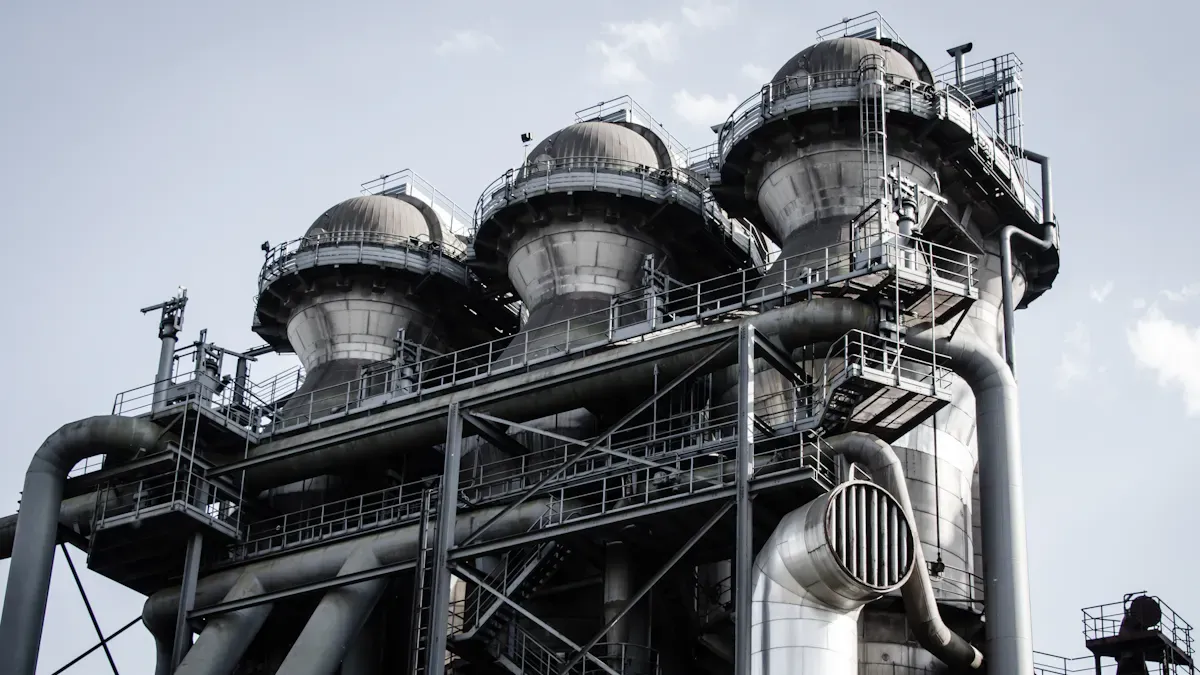
Image Source: pexels
Industry 4.0 in Cosmetics marks a new era for manufacturing. This revolution centers on digital transformation, connectivity, and real-time data. Factories use smart machines and systems that communicate and share information. These technologies help businesses compete in complex markets. For example, Groninger, a German company, developed an IoT-ready, semi-automated system for cosmetics. This system uses automation and real-time monitoring to boost production efficiency and flexibility. The INTEGRA lite series processes up to 45 parts per minute and features app-based monitoring. These advancements show how Industry 4.0 in Cosmetics changes traditional manufacturing.
Note: Industry 4.0 in Cosmetics relies on smart devices, sensors, and data analytics. These tools help manufacturers improve quality and respond quickly to market demands.
Several factors push digital transformation in cosmetics manufacturing. Companies face new challenges and opportunities as technology evolves.
Consumer expectations drive demand for personalized products and experiences.
Market competition increases with e-commerce and direct-to-consumer models, requiring faster product development.
Sustainability concerns encourage manufacturers to adopt eco-friendly practices.
Automation streamlines processes and boosts efficiency.
Artificial intelligence supports data analysis and decision-making.
Cloud computing offers scalable resources and storage.
Internet of Things (IoT) connects devices for better data collection and operational insights.
Driver |
Impact on Cosmetics Manufacturing |
|---|---|
Consumer Expectations |
Flexible production, customization |
Market Competition |
Faster innovation, shorter cycles |
Sustainability |
Eco-friendly materials, reduced waste |
Automation |
Higher efficiency, lower labor costs |
IoT |
Improved monitoring, real-time adjustments |
Industry 4.0 in Cosmetics helps manufacturers meet these demands and stay competitive.
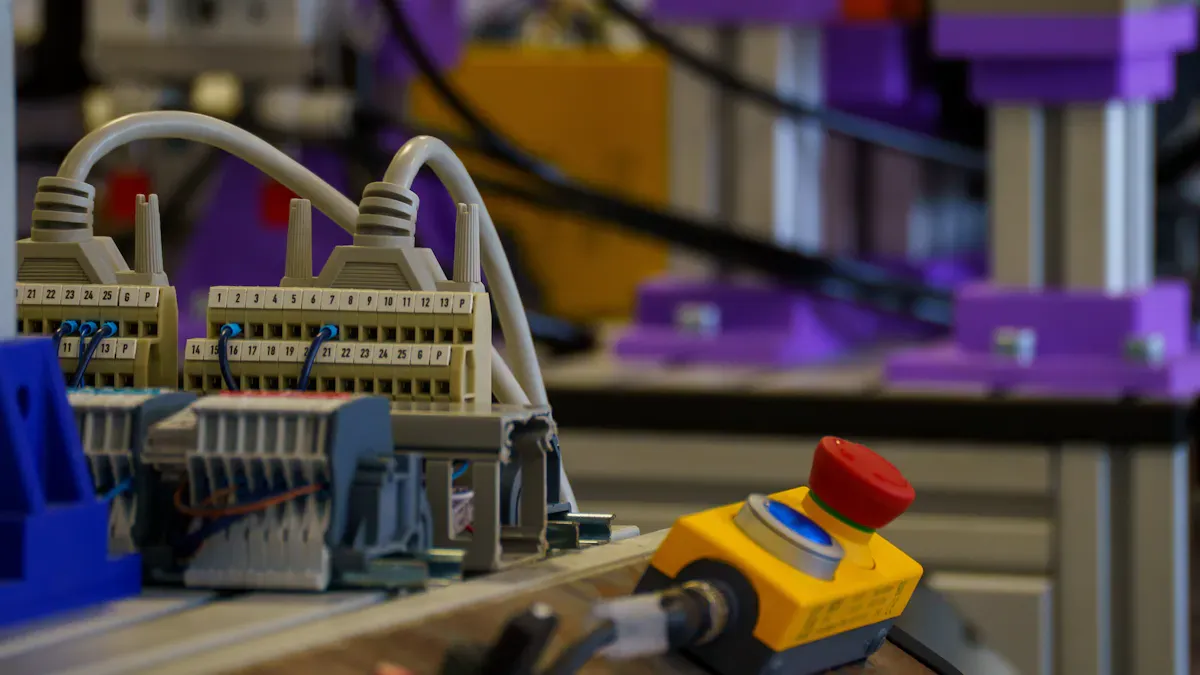
Image Source: pexels
IoT technology plays a key role in modern powder production. Cosmetic factories use sensors and smart devices to monitor and control every step. Common IoT applications in powder equipment include:
Chemical and biomedical sensors for ingredient quality
Environmental sensors, such as moisture analyzers and hygrometers
Flow sensors to track powder movement
Mechanical and force sensors for pressing and filling
Positioning sensors for accurate machine alignment
These sensors connect to IoT platforms and edge computing systems. They provide real-time data, which helps operators make quick decisions. For example, Jaywin Machinery’s automatic powder filling machines use advanced control systems and IoT features. These machines fill powders with high speed and accuracy, reducing the need for manual work. Vacuum-filling technology improves hygiene and keeps the workspace clean. Compact desktop auger filling machines support small-batch production, showing how IoT and automation help both large and small manufacturers.
Note: IoT sensors help monitor moisture and environmental conditions, which are critical for producing high-quality cosmetic powders.
Automation transforms powder production by improving consistency and efficiency. Jaywin Machinery’s cosmetic powder equipment uses PLC control, touch screens, and servo systems. These features ensure precise measurement and stable operation.
PLC control systems allow for accurate and repeatable filling.
Touch screens provide easy operation and quick adjustments.
Servo motors deliver high measurement precision, with over 10,000 pulses per revolution.
Automatic shutdown prevents errors, such as filling without a container.
Sensitive response and stable performance ensure reliable production.
Automation also enhances mixing efficiency, leading to uniform powder blends. Real-time monitoring allows immediate adjustments, supporting strict quality control. Data analytics reduce waste by optimizing mixing and filling methods. Jaywin Machinery’s smart controls and self-cleaning systems further reduce human error and maintain hygiene.
Feature |
Description |
|---|---|
Smart Controls |
IoT sensors and AI optimize operations |
Automation for Efficiency |
Faster processing, lower labor costs, and enhanced hygiene |
Reduced Human Error |
Automation ensures strict quality with minimal intervention |
Industry 4.0 in Cosmetics relies on these technologies to meet high standards and adapt to market changes. Manufacturers who adopt advanced automation and IoT solutions gain a strong advantage in quality and productivity.
Industry 4.0 in Cosmetics brings a new level of quality control to powder production. Smart sensors and IoT devices monitor every stage of the process. Operators receive real-time data on powder properties, temperature, and humidity. This data helps maintain strict quality standards and reduces the risk of defects.
Jaywin Machinery’s automatic powder filling machines use PLC control and servo systems for precise measurement. These machines ensure each batch meets exact specifications. Advanced powder characterization methods, such as laser diffraction and near-infrared spectroscopy (NIRS), further improve accuracy. Consistent powder compaction and filling lead to uniform product appearance and texture.
Note: Real-time monitoring and advanced analytics help operators catch issues early, preventing costly recalls.
Technology |
Benefit for Quality Control |
|---|---|
Real-time monitoring, improved consistency |
|
Advanced Characterization |
Accurate powder property measurement |
Continuous Manufacturing |
Reduced batch variation, higher uniformity |
Collaborative Robotics |
Precise handling, fewer human errors |
Manufacturers using Jaywin Machinery’s equipment see fewer quality deviations and more reliable product outcomes. The integration of these technologies supports brands in meeting customer expectations for flawless cosmetics.
Automation and digital solutions drive efficiency in powder production. Machines like Jaywin’s cosmetic powder equipment streamline filling, pressing, and packaging. Operators can switch between product recipes quickly, reducing downtime.
IoT-enabled systems optimize powder usage and minimize waste. For example, servo-driven filling heads deliver exact amounts, preventing overfilling. Vacuum systems collect excess powder, keeping the workspace clean and reducing material loss. Data analytics identify bottlenecks and suggest process improvements.
Automated controls reduce manual intervention.
Continuous production lines lower energy consumption.
Smart sensors detect and correct errors instantly.
Digital recipe storage allows fast product changeovers.
Company/Product |
Solution Description |
Efficiency Gain |
|---|---|---|
Jaywin Machinery |
PLC and servo-driven powder filling, vacuum collection, recipe memory |
Faster production, less waste |
Siemens AG |
Digital twin and AI-driven process optimization |
|
Renishaw Plc |
Closed-loop powder recycling, high-precision delivery systems |
Over 94% powder utilization |
Jaywin Machinery’s solutions help manufacturers achieve higher yields and lower costs. Efficient use of raw materials supports sustainability goals and boosts profitability.
Traceability and compliance are essential in cosmetics manufacturing. Industry 4.0 in Cosmetics enables full tracking of materials and processes. Jaywin Machinery’s equipment records production data, batch numbers, and operator actions. This information supports audits and meets Good Manufacturing Practice (GMP) requirements.
Automated systems generate digital logs for each production run. Operators can trace every product back to its source materials and process parameters. This transparency helps companies respond quickly to quality concerns and regulatory inquiries.
Compliance Feature |
Jaywin Machinery Solution |
|---|---|
Digital Batch Records |
Automatic logging of production data and operator actions |
GMP Compliance |
Stainless steel construction, hygienic design |
Custom Documentation |
Bilingual manuals, maintenance guides, electrical schematics |
Training and Support |
On-site training, remote support, 24/7 technical hotline |
Jaywin Machinery provides customized machinery and strong after-sales support. Each customer receives detailed documentation, installation guidance, and systematic training. The company offers a 12-month warranty, free replacement parts, and ongoing technical assistance. This comprehensive support helps manufacturers maintain high standards and adapt to changing regulations.
Tip: Choosing equipment with built-in traceability features simplifies compliance and protects brand reputation.
Cosmetics factories now rely on automated powder production lines to achieve high output and consistent quality. Jaywin Machinery’s industrial powder press machines and automatic powder filling equipment serve as prime examples. These machines press and fill powders with precision, supporting both large-scale and boutique operations. Operators use recipe memory and adjustable pressure settings to switch between products quickly. Factories report smoother workflows and fewer errors after installing Jaywin’s equipment.
Tip: An image showing Jaywin Machinery’s powder press machine in action would illustrate the automated process.
Alt tag: "Jaywin Machinery industrial powder press machine operating in a cosmetics factory"
Digital interconnectivity improves operational performance across cosmetics manufacturing facilities. Factories use cloud-based systems to connect teams from product development to sales. This approach enhances visibility and transparency, streamlining workflows and creating a single data repository. Teams collaborate across locations and time zones, optimizing work processes and supporting resilience against supply chain disruptions.
Cloud-based PLM systems connect all departments.
Data transparency enables faster decision-making.
Collaboration supports scalability and sustainability measurement.
Streamlined workflows reduce time to market.
Note: An image of a digital dashboard monitoring powder production would highlight interconnectivity.
Alt tag: "Digital dashboard displaying real-time powder production data in a cosmetics factory"
Early adopters of Jaywin Machinery’s equipment share valuable lessons. They highlight the importance of comprehensive support services, including installation, operator training, and maintenance. Proper training ensures effective machine operation and quick issue resolution. Suppliers provide spare parts and responsive customer service, helping factories maintain performance.
Evidence Description |
Link |
|---|---|
Real challenges and solutions in daily production using Jaywin's machines |
|
Advanced filling solutions for cosmetic manufacturing |
What Sets Piston Filling Machines Apart from Peristaltic Fillers for Cosmetics |
Planning for maintenance and after-sales support is crucial.
Operator training and performance monitoring help factories adapt quickly.
Spare parts and technical assistance ensure reliable production.
Jaywin Machinery’s service process covers installation, training, and ongoing support, enabling manufacturers to maximize efficiency and maintain high standards.
Cosmetics manufacturers face several technical and operational challenges when adopting Industry 4.0 technologies. Many factories must upgrade legacy systems to support automation and IoT integration. Operators encounter difficulties with machine compatibility and data connectivity. Equipment like automatic powder filling machines requires precise calibration and regular maintenance. Production lines need stable power supplies and reliable network infrastructure. Manufacturers must address these hurdles to ensure smooth operation and consistent output.
Tip: Investing in robust infrastructure and regular maintenance helps reduce downtime and improve reliability.
Adapting to new technologies demands a skilled workforce. Training programs bridge the gap between traditional skills and modern requirements. Manufacturers collaborate with educational institutions to develop relevant curricula and offer internships. They encourage a culture of continuous learning and invest in training facilities equipped with modern machinery. Employees benefit from tailored programs, certifications, and hands-on experience.
Strategy |
Description |
|---|---|
On-the-job training and certifications align workforce skills with industry needs. |
|
Collaboration with Educational Institutions |
Partnerships create a steady pipeline of skilled workers. |
Culture of Continuous Learning |
Ongoing education helps employees adapt to new technologies. |
Investment in Training Infrastructure |
Dedicated facilities and access to modern equipment enhance outcomes. |
Manufacturers using cosmetic powder equipment see improved productivity when employees receive proper training and support.
Regulatory and regional factors strongly influence the adoption of Industry 4.0 in cosmetics powder production. Stringent safety regulations increase compliance costs and create market entry hurdles. Environmental regulations emphasize sustainability and eco-friendly practices. Quality standards drive the adoption of technologies that ensure product safety and consistency.
Regulatory compliance and quality control remain top priorities in cosmetics, pharmaceuticals, and food processing.
Strict guidelines ensure product safety and quality, motivating manufacturers to invest in advanced solutions.
Regional differences add complexity. In Europe, upcoming regulations require cosmetics manufacturers to use Digital Product Passports for enhanced traceability and consumer trust. The EU enforces harmonized RoHS regulations with clear substance restrictions and documentation requirements. The United States lacks uniform federal RoHS rules, so manufacturers must navigate varied state-level regulations. These differences affect compliance strategies and technology adoption.
Note: Understanding local regulations and investing in traceability features, such as digital batch records, helps manufacturers meet requirements and protect their brand reputation.
Cosmetics machinery continues to evolve with new technologies. Manufacturers see several innovations shaping powder production over the next five years:
Automation and robotics increase production speed and reduce labor costs.
Advanced material handling systems improve product quality and consistency.
Industry 4.0 principles enable greater connectivity and data exchange, optimizing manufacturing processes.
Jaywin Machinery integrates these advancements into their cosmetic powder equipment. Smart sensors and PLC controls support real-time monitoring and precise filling. Robotics streamline repetitive tasks, allowing operators to focus on quality assurance. Enhanced connectivity lets factories track every batch and adjust settings instantly.
Tip: Manufacturers who invest in automation and smart systems gain a competitive edge in efficiency and product quality.
Manufacturers planning to implement Industry 4.0 solutions should focus on flexibility and customization. AlpStories uses robotic arms for on-demand production, showing how automation supports batch size 1 methodologies. This approach allows companies to produce customized orders efficiently.
Developing in-house robotic systems offers high flexibility. Manufacturers can respond quickly to specific needs and improve production efficiency. Integrating IoT-enabled sensors and real-time data analytics optimizes performance and reduces downtime. Flexible, modular systems help companies adapt to changing consumer preferences, which is essential in the fast-paced cosmetics market.
Jaywin Machinery recommends starting with modular equipment and scalable solutions. Their automatic powder filling machines and industrial powder press machines support quick recipe changes and easy upgrades.
Manufacturers preparing for digital transformation should follow a clear roadmap. They assess current processes and identify areas for improvement. Investing in training ensures employees understand new technologies and operate machinery safely.
A step-by-step approach includes:
Evaluating existing equipment and infrastructure.
Selecting modular, IoT-ready machinery for easy integration.
Providing hands-on training and support for operators.
Using real-time data analytics to monitor performance and adjust processes.
Note: Digital transformation requires ongoing support and adaptation. Jaywin Machinery offers installation, training, and after-sales service to help manufacturers succeed.
Industry 4.0, IoT, and automation reshape cosmetics powder production. Manufacturers gain real-time quality monitoring, predictive maintenance, and streamlined workflows. Advanced machinery boosts efficiency and ensures product uniformity. Jaywin Machinery supports factories with innovative equipment, customized solutions, and expert services. The industry moves toward eco-friendly packaging, e-commerce growth, and smart technologies. Stakeholders should evaluate their readiness for digital transformation.
Explore Jaywin Machinery’s cosmetic powder equipment or contact the team for tailored solutions.
Insight/Recommendation |
Description |
|---|---|
Packaging Innovations |
Eco-friendly materials meet sustainability goals. |
E-commerce Growth |
Versatile packaging attracts online consumers. |
Technological Innovations |
Smart packaging enhances safety and experience. |
Industry 4.0 in cosmetics powder production uses smart machines, IoT sensors, and automation. These technologies help manufacturers improve efficiency, maintain quality, and collect real-time data for better decision-making.
IoT sensors monitor powder flow, weight, and environmental conditions. Machines like Jaywin Machinery’s automatic powder filling machines use this data to adjust filling in real time, ensuring precise and consistent results.
Automation reduces manual labor, increases production speed, and ensures consistent product quality. Automated systems also help minimize waste and support compliance with industry standards.
Yes. Jaywin Machinery’s cosmetic powder equipment adapts to various powders, including loose, compact, and specialty blends. Operators can switch recipes quickly using the machine’s memory and adjustable settings.
Jaywin Machinery provides on-site installation, operator training, and ongoing technical support. Customers receive detailed manuals, spare parts, and access to a 24/7 hotline for troubleshooting and maintenance.


