
English


Views: 0 Author: Site Editor Publish Time: 2026-04-29 Origin: Site


Southeast Asia’s cosmetic manufacturing equipment market shows rapid growth, driven by rising consumer demand and evolving beauty standards. Manufacturers gain benefits from adopting advanced machinery. Intelligent automation increases production efficiency. Eco-friendly filling systems improve product quality and meet consumer expectations. Smart technologies like IoT and AI support real-time data tracking and enhance quality control. Jaywin Machinery stands out as an innovative partner, offering tailored solutions that help businesses achieve efficiency and superior results.
Southeast Asia's cosmetic market is booming due to rising incomes and urbanization, creating opportunities for manufacturers.
Advanced technologies like automation and AI enhance production efficiency and product quality, making them essential for success.
Customization of manufacturing equipment allows businesses to meet diverse consumer preferences and stay competitive.
Building local partnerships and understanding regulations are crucial for navigating the complex Southeast Asian market.
Sustainability trends are shaping the future of cosmetics, with eco-friendly practices becoming increasingly important for consumers.

Southeast Asia’s cosmetic manufacturing equipment market continues to expand due to several strong economic and demographic factors. The region’s steady economic growth increases consumer purchasing power. Urbanization changes lifestyle aspirations, leading more people to invest in personal wellbeing and aesthetic self-care. A burgeoning middle class with higher disposable income drives demand for cosmetic products and procedures. Social media platforms raise beauty consciousness, encouraging consumers to seek new trends and products.
Key drivers include:
Urbanization leading to higher demand for cosmetics.
A digitally savvy population that boosts online sales.
The rise of e-commerce platforms, which expand market reach.
The green beauty movement, emphasizing sustainability and transparency.
Adoption of advanced technologies like AI for personalized experiences.
Major cities in the region have become hubs for accessible and affordable cosmetic care. The Asia Pacific cosmetic set market is projected to grow at a CAGR of 7.5% through 2028, reflecting strong demand for both premium and multifunctional offerings.
Several trends shape the market for cosmetic manufacturing equipment in Southeast Asia. Urbanization fuels demand for premium and mass-market products, especially in Tier 1 and Tier 2 cities. International cosmetic brands seek localized packaging solutions to appeal to regional preferences. Consumers show a growing preference for sustainable and innovative packaging formats.
Note: Technological innovations such as automation, smart packaging, and eco-friendly materials are transforming production lines. Companies integrate automation and Industry 4.0 principles to enhance productivity and quality control.
Government policies also play a role. For example, Cambodia and Malaysia have simplified halal and facility registration requirements for cosmetics, making it easier for manufacturers to enter these markets.
Beauty standards in Southeast Asia continue to evolve, influencing the types of cosmetic products manufacturers produce. The region’s climate shapes consumer preferences. Lighter textures dominate product development because heavy creams do not suit hot and humid environments. Manufacturers respond by creating lightweight foundations, powders, and creams that offer comfort and durability.
Preventive anti-aging solutions attract younger consumers. They seek products that delay the appearance of fine lines rather than treat existing signs of aging. Brands introduce serums and creams with active ingredients that support skin health and resilience.
Demand for products catering to diverse skin tones increases. Consumers expect representation in both product offerings and marketing campaigns. The #unfairandlovely movement highlights the push against Eurocentric beauty ideals, encouraging brands to develop inclusive shade ranges and celebrate local beauty.
Lighter textures preferred due to climate
Preventive anti-aging solutions for younger consumers
Inclusive products for diverse skin tones
Campaigns challenging traditional beauty standards
Manufacturers invest in Cosmetic Manufacturing Equipment that enables flexible production and rapid adaptation to these shifting demands.
K-Beauty trends continue to shape consumer expectations in Southeast Asia. Korean brands introduce innovative formulations, multi-step routines, and playful packaging. Local brands adapt these trends, blending them with regional preferences and cultural values.
A young population drives demand for affordable and creative beauty products. Over half of Southeast Asia’s population is under 30, fueling growth in skincare, makeup, and personal care segments. The following table illustrates key demographic influences across the region:
Local brands gain traction by offering products tailored to regional needs. They emphasize authenticity, affordability, and inclusivity. Manufacturers use advanced Cosmetic Manufacturing Equipment to produce diverse product lines efficiently, meeting the expectations of both global and local consumers.
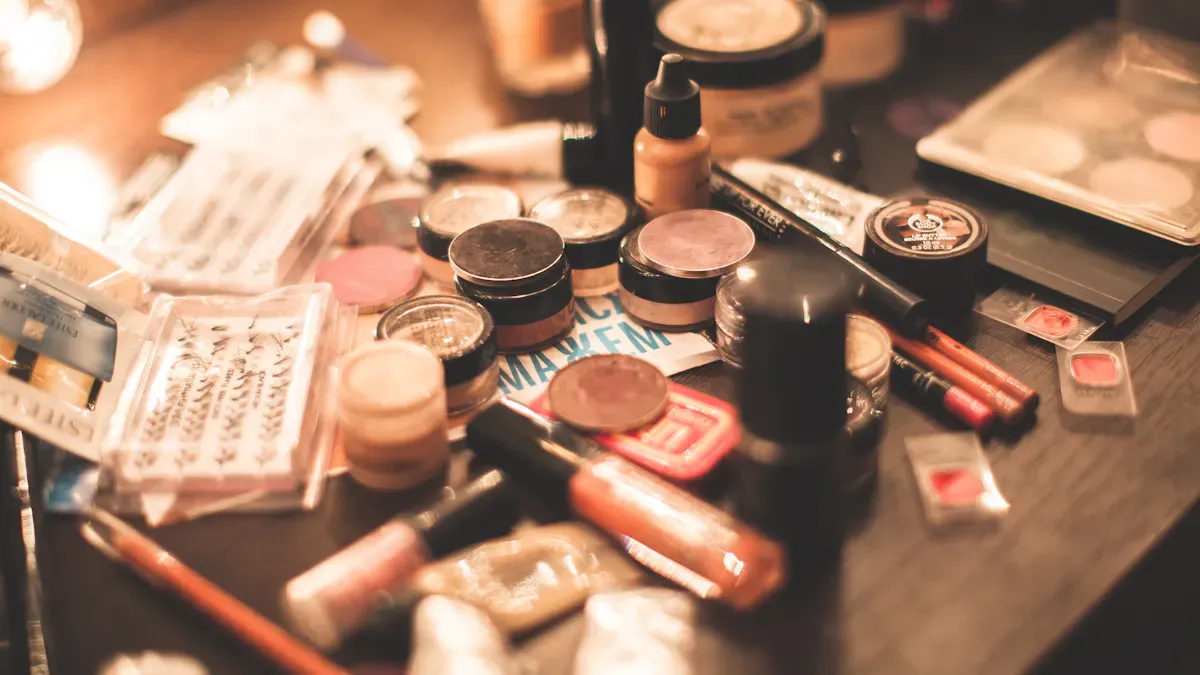
Image Source: pexels
Manufacturers in Southeast Asia rely on advanced Cosmetic Manufacturing Equipment to meet rising consumer expectations and regulatory standards. Automation and digitalization transform production lines, making them faster and more reliable. Companies use robotics to enhance precision and efficiency. These systems reduce human error during filling, labeling, and packaging. AI and machine learning help manufacturers analyze data, predict trends, and optimize inventory. IoT integration allows real-time monitoring, enabling proactive maintenance and minimizing downtime.
Automation and robotics increase precision and efficiency.
AI and machine learning support data-driven decisions.
IoT enables real-time monitoring and reduces downtime.
Jaywin Machinery leads the industry with innovative solutions. The company offers equipment for powder, cream, and lipstick production. Their machines feature automatic filling, precise compaction, and advanced heating systems. Manufacturers benefit from consistent product quality and reduced waste. Jaywin Machinery’s technology adapts to various formulations, supporting both small-batch and large-scale production.
Southeast Asia presents diverse opportunities for Cosmetic Manufacturing Equipment suppliers. Each country has unique buyers and regulations. Companies must understand local requirements to succeed. Choosing the right distributors is critical. Distributors influence market entry success and help navigate complex sales cycles. Suppliers compete on total cost and after-sales service, not just price. Local after-sales support often determines deal closure.
Southeast Asia is not a single market; each country differs.
Distributors play a key role in market entry.
Total cost and after-sales service matter more than price.
Sales cycles can last from 6 to 24 months.
Local after-sales support is essential.
Cambodia stands out as an attractive entry point. The country offers flexibility and cost-effectiveness. Brands seeking alternatives to traditional manufacturing hubs find Cambodia appealing. Thailand, Indonesia, and Vietnam have established manufacturing ecosystems. Cambodia’s emerging status creates unique opportunities for companies targeting local or regional markets.
Jaywin Machinery distinguishes itself in the Southeast Asian market with rapid innovation and customization. The company develops advanced solutions for powder, cream, and lipstick production. Manufacturers receive tailored equipment that meets specific needs. Jaywin Machinery provides comprehensive warranty and maintenance services, ensuring operational stability.
Jaywin Machinery’s powder equipment delivers precise filling and pressing for loose powders, eyeshadows, and blushes. Cream equipment uses advanced filling systems and heating capabilities for foundations, BB creams, and concealers. Lipstick filling machines handle high-viscosity materials and offer multi-color options. These machines support efficiency, quality, and flexibility. Manufacturers can scale production and adapt to market trends quickly.
Tip: Manufacturers seeking efficiency and quality should consider Jaywin Machinery’s full-factory solutions. The company’s equipment supports diverse product lines and meets international standards.
For more information about Jaywin Machinery’s powder equipment, cream equipment, and lipstick filling machines, visit Jaywin Machinery’s official website.
Cosmetic manufacturing equipment suppliers in Southeast Asia face a complex regulatory environment. Each ASEAN member state enforces its own rules for product registration, manufacturing practices, and labeling. Companies must ensure that every cosmetic product receives approval before entering the market. Good Manufacturing Practices (GMP) remain mandatory, with strict guidelines to guarantee safety and quality. Authorities require clear labeling, including product names, ingredients, and usage instructions. Certain substances, such as mercury and lead, are strictly prohibited, while others face restrictions for safety reasons.
Many companies entering Southeast Asia overestimate the maturity of local supply chains. They often expect the region to mirror China’s business environment, but each country presents unique challenges. Markets remain fragmented, with distinct political and regulatory frameworks. Companies depend heavily on imports, which leads to longer lead times compared to more developed markets. Overlooking country-specific certifications and legal obligations can result in compliance issues.
Companies often overestimate local supply chain maturity.
High dependency on imports causes longer lead times.
Fragmented markets require understanding of unique regulations.
Overlooking certifications leads to compliance problems.
The region’s logistics infrastructure also presents obstacles. Inadequate transportation networks and inconsistent customs policies increase costs and cause delays. These factors highlight the need for better customs harmonization and infrastructure investment to support smoother equipment distribution.
Competition in Southeast Asia’s cosmetic manufacturing equipment market remains intense. Leading brands use diverse strategies to capture market share. Focallure invests in social media campaigns and exclusive online collaborations. Yatsen Holding leverages influencer marketing and tailors product ranges to local tastes. Hua Xizi differentiates itself with traditional Chinese medicine-based formulations. Proya forms regional partnerships and develops localized products. ZEESEA focuses on e-commerce distribution, while INOHERB uses herbal-based ingredients to meet demand for mild formulations.
Note: To succeed, manufacturers must navigate regulatory hurdles, adapt to fragmented supply chains, and respond quickly to evolving competitive strategies.
Manufacturers in Southeast Asia can achieve long-term success by focusing on customization and innovation. The region’s diverse markets require flexible production lines that adapt to local preferences and trends. Customizing Cosmetic Manufacturing Equipment allows businesses to address specific market needs and improve operational efficiency. This approach helps companies deliver high-quality products that meet consumer expectations.
Customization enables manufacturers to adapt production processes for different product types and packaging.
Tailored equipment improves product quality, supporting high standards in cosmetics.
Customized solutions help small manufacturers compete with larger players by increasing efficiency.
Innovation also plays a key role. Events like the Innovation Zone in Bangkok highlight new ingredients and advanced formulation techniques. For example, hands-on sessions in the Formulation Lab demonstrate how encapsulation filters in sunscreens can enhance UV protection. These advancements encourage manufacturers to invest in modern equipment and stay ahead of market trends.
Building strong partnerships and collaborating with local stakeholders can help manufacturers navigate Southeast Asia’s complex business environment. Working with regional distributors, suppliers, and regulatory experts ensures smoother market entry and compliance. Local partnerships provide valuable insights into consumer preferences and help companies respond quickly to changing demands.
Regional distributors assist with logistics and after-sales service.
Local experts guide manufacturers through regulatory processes.
Collaboration supports faster adaptation to market shifts.
Jaywin Machinery offers a comprehensive service process that supports manufacturers at every stage. The company provides initial consultations, tailored proposal designs, and high-quality equipment production. Their team manages logistics, on-site installation, and customer training. After-sales support includes routine maintenance, rapid fault response, and upgrade services.
Tip: Manufacturers who partner with Jaywin Machinery benefit from operational stability and reliable technical support. This partnership model helps businesses maintain high production standards and adapt to future growth.
For more details on Jaywin Machinery’s service process, visit their service process page.
The market for Cosmetic Manufacturing Equipment in Southeast Asia continues to evolve at a rapid pace. Manufacturers see strong demand for flexible, automated solutions that can handle a wide range of product types. Urbanization and rising incomes drive growth in both premium and mass-market cosmetics. Companies invest in advanced machinery to keep up with changing consumer preferences and regulatory requirements. Many brands now prioritize speed to market, pushing for equipment that supports quick product launches and small-batch customization. As digital transformation accelerates, e-commerce platforms like Shopee and Lazada expand the reach of local and international cosmetic brands. This shift creates new opportunities for equipment suppliers who can deliver reliable, scalable solutions.
Sustainability and technology shape the future of the industry. Manufacturers adopt eco-friendly practices and invest in digital tools to improve efficiency. The table below highlights key trends influencing the direction of Cosmetic Manufacturing Equipment in Southeast Asia:
Manufacturers look for equipment that supports recyclable packaging and energy-efficient production. AI-driven systems help reduce errors and optimize resource use. These trends point to a future where innovation, sustainability, and digital integration define success in the cosmetic industry.
Southeast Asia’s cosmetic manufacturing equipment market offers strong growth potential and unique challenges. Advanced machinery and strategic partnerships help manufacturers succeed in this dynamic region. Companies should invest in flexible, high-quality equipment and build local relationships to stay competitive. Jaywin Machinery provides innovative solutions that support efficiency and quality. For businesses seeking long-term success, exploring Jaywin Machinery’s products or contacting their team is a smart next step.
Jaywin Machinery provides equipment for powder, cream, and lipstick production. Their product line includes automatic powder filling machines, vacuum powder presses, cream filling machines, and advanced lipstick filling systems. Each machine supports efficient, high-quality cosmetic manufacturing.
Jaywin Machinery designs equipment to meet international standards, including GMP and ISO requirements. Their team offers guidance on equipment setup and documentation, helping manufacturers comply with local regulations in Southeast Asian markets.
Yes. Jaywin Machinery specializes in tailored solutions. They adapt equipment configurations and processes to match unique product formulations, packaging requirements, and production volumes. This customization helps manufacturers stay competitive and efficient.
Jaywin Machinery delivers comprehensive after-sales support. Services include on-site installation, operator training, routine maintenance, and rapid technical assistance. Their team ensures stable production and quick issue resolution for all clients.
Manufacturers can visit the official Jaywin Machinery website for detailed product information, specifications, and contact details. The site also features case studies and service process overviews.


