
English


Views: 0 Author: Site Editor Publish Time: 2026-08-11 Origin: Site


Fully automatic nail polish filling systems neutralize industrial risks through ATEX/IECEx-certified explosion-proofing and intrinsically safe electronics. Highly volatile solvents evaporate quickly during fluid transfer. Therefore, robust Fire/Explosion Prevention engineering protects continuous cosmetic production lines. Servo-driven positive displacement pumps and specialized anti-drip nozzles maintain tight ±0.1ml volumetric precision across variable formula viscosities. Advanced machinery balances strict OSHA and NFPA safety compliance with high line speeds. Jaywin-machinery delivers this engineered cosmetic automation to maximize yield and operational security.
Certified explosion-proof equipment uses special electronics and ground wires to stop factory fires and protect workers.
Servo piston pumps fill nail polish bottles with exact precision to eliminate expensive product waste.
Pneumatic systems and nitrogen gas keep dangerous solvent fumes away from hot electrical machine parts.
Automated caps seal bottles instantly to block solvent evaporation and maintain product quality.
Image Source: pexels
Nail polish formulations rely on highly volatile solvents. Key ingredients include ethyl acetate, butyl acetate, and nitrocellulose. These liquids belong to Group 2 highly flammable substances. They possess flashpoints under 73.4°F (23°C). Vaporized solvents mix rapidly with air inside automated filling areas. This mixture creates hazardous environments when solvent concentration reaches the lower explosive limit (LEL). Consequently, effective Fire/Explosion Prevention systems must monitor atmospheric vapor thresholds continuously to prevent dangerous accumulations.
Rapid liquid movement through delivery pipes generates significant static electricity. Non-conductive fluid friction creates high voltage across ungrounded metallic connectors during high-speed dosing operations. A single electrostatic spark can ignite floating solvent vapors instantly. Production lines require robust physical grounding loops. Copper ground straps connect pumps, nozzles, and transport tanks to a unified earthing matrix. This design safely dissipates static charges before sparks can form.
High-speed automated machinery generates mechanical friction during continuous operation. Uncontrolled surface heat creates potential thermal ignition points in hazardous environments. Modern engineering designs isolate hot mechanical drives from fluid channels completely.
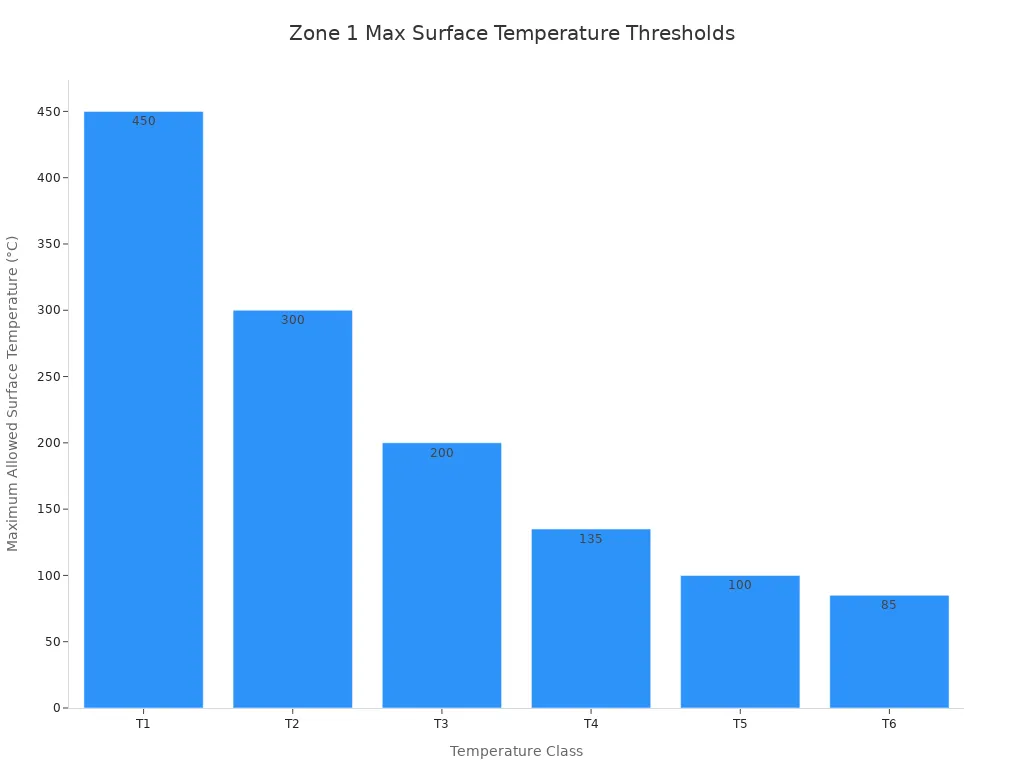
Equipment operates under strict thermal limits in Zone 1 explosive atmospheres. Motors and moving components must conform to the T4 temperature class, keeping surface temperatures below 135°C. Jaywin-machinery integrates intrinsically safe actuators to eliminate hot spots. Strict thermal isolation enhances Fire/Explosion Prevention measures and maintains safe factory operations.
Jaywin-machinery implements customized explosion-proof (EX) configurations for volatile liquid processing zones. Category IV safety controllers manage critical emergency shutdown systems continuously. These advanced controllers process safety signals across all operational modules simultaneously. Fully certified equipment architectures satisfy international ATEX and IECEx regulatory mandates. This engineered infrastructure establishes rigorous Fire/Explosion Prevention controls across modern cosmetic production lines.
Double-layer sealed material tanks isolate active solvent formulas from the ambient factory workspace. The inner vessel wall contains circulating heat-transfer oil. This oil jacket distributes thermal energy evenly throughout the product mass, stabilizing formula viscosity for smooth dispensing. The indirect heating design isolates volatile solvent vapors from bare electrical heating elements completely, eliminating internal ignition points.
Safety Note: Intrinsically safe electrical barriers restrict voltage and current levels below critical ignition thresholds inside hazardous zones.
Pressurized pneumatic drives operate all fill heads and bottle indexing indexing mechanisms. Pneumatic actuation eliminates electrical spark risks during continuous high-speed bottle filling. In addition, automated nitrogen purge systems maintain positive air pressure inside electronic enclosures to exclude volatile fumes.
The table below outlines the operational standards for pressurized safety enclosures:
Purge System Parameter |
Operational Standard |
Safety Function |
|---|---|---|
Minimum Pressurization Threshold |
0.5 mbar (50 Pa) differential |
Triggers an immediate system alert if pressure drops |
Operating Differential Pressure |
~10 mbar |
Prevents volatile vapor ingress into the enclosure |
Enclosure Integrity Test |
1.5× normal working pressure |
Sustains structural tightness for two minutes without deformation |
Continuous positive pressure prevents hazardous solvent vapors from touching sensitive electronic components during routine production runs.
Image Source: pexels
Jaywin-machinery utilizes advanced Servo Piston Filling technology to process volatile nail polish formulas efficiently. Positive displacement mechanisms drive liquid solvents through dedicated channels with exceptional accuracy. This system achieves a tight dosing precision within ±0.1ml. Consistent dosing eliminates product waste and reduces formula evaporation during liquid transfer.
The table below illustrates why positive displacement piston mechanisms excel over alternative pumping designs:
Feature / Performance Metric |
Servo Piston Drives |
Peristaltic Pumps |
|---|---|---|
Volumetric Precision |
High accuracy ($\pm 0.1%$ to $\pm 0.25%$) |
Lower consistency, impacted by flow and pressure pulsation |
Viscous Liquid Performance |
Superior handling via positive displacement mechanisms |
Poor handling due to tube wear, deformation, and stress |
Dosing Stability |
Highly stable across various fluid dynamics |
Degrades over time as tubing degrades |
Volatile solvent liquids often drip or string during continuous high-speed bottle indexing. Jaywin-machinery integrates retractable anti-drip filling nozzles into the fluid manifold. The nozzle tip descends into the container neck during dosing and lifts cleanly upon fluid release.
Operational Tip: Retractable nozzles eliminate thread stringing completely, protecting bottle shoulders and thread grooves from solvent contamination.
A pressurized fluid circuit maintains constant liquid velocity inside the dispensing line. This continuous pressure prevents air bubbles from forming inside the nozzle tip. Clean cut-offs maintain pristine container packaging and uphold product aesthetics.
Operators manage line parameters using XINJE PLC control units and touch-screen user interfaces. The digital interface allows real-time modifications for dosing speed, stroke distance, and formula viscosity parameters.
Coriolis mass flow meters facilitate immediate flow adjustments in automated dosing systems by utilizing built-in PID controllers. These devices produce rapid frequency signals that contrast the measured flow against the targeted set point, directly driving the dosing pump for precise, real-time corrections. Because mass flow measurements remain unaffected by fluid property variations such as viscosity, density, or temperature, the flow meter autonomously regulates pump speeds with high precision without requiring external control modules.
Jaywin-machinery integrates active grounding loops across every module of the automated production line. Solid copper conductors link indexing carousels, fluid nozzles, and conveyor systems directly to a central earthing bus. This layout neutralizes static charge accumulation during continuous high-speed bottle movement.
Parallel overhead vapor extraction hoods pull heavy solvent fumes away from filling stations. Localized suction manifolds capture escaping vapors before volatile concentrations approach dangerous lower explosive limits. Integrated safety interlocks stop line operations instantly if exhaust airflow drops below mandatory velocity thresholds. These combined systems maintain safe workspace air quality and raise Overall Equipment Effectiveness (OEE) across long production cycles.
Volatile nail polish solvents evaporate quickly when exposed to ambient room air. Automated pick-and-place grippers align applicator brushes precisely over open bottle necks. Servo-driven capping heads then install closure caps immediately after brush placement.
Technical Insight: Servo capping systems utilize magnetic hysteresis clutches to apply precise closure torque, creating an airtight hermetic seal that prevents solvent evaporation.
Bottle Indexing ➔ Precision Filling ➔ Brush Insertion ➔ Servo Hermetic Capping
Immediate hermetic sealing locks volatile vapors inside the glass container, preserving formula viscosity and preventing atmospheric contamination.
Jaywin-machinery delivers complete turnkey automation services, guiding clients through initial line layout design, custom assembly, Clean-in-Place (CIP) integration, and on-site operator training.
To satisfy international regulatory standards, all production equipment follows core Good Manufacturing Practice (GMP) guidelines:
Material Non-Reactivity: Liquid contact surfaces utilize high-grade SUS316L stainless steel and PTFE seals to prevent chemical reactions with volatile solvents.
Sanitization & Maintenance: Smooth surface finishes and quick-disconnect fittings allow thorough CIP flushing and easy routine inspection.
Operational Suitability: Robust machine frames protect internal electronics from ambient dust, ambient humidity, and fluid splashes.
Combining certified explosion-proof engineering with advanced volumetric dosing solves critical Fire/Explosion Prevention and productivity challenges in solvent manufacturing. Jaywin-machinery delivers tailored, high-precision, GMP-compliant cosmetic filling equipment. These automated systems maximize product yield while maintaining safe factory operations.
Cost Category |
Impact of ATEX-Compliant Machinery Upgrade |
|---|---|
Insurance Premiums |
Lowers overall policy rates due to certified safe equipment. |
Regulatory Compliance Costs |
Saves money by preventing regulatory fines and plant downtime. |
Cosmetic plant engineers and managers should consult Jaywin-machinery experts today to audit legacy filling lines and transition to modern automated production systems.
Jaywin-machinery integrates ATEX and IECEx-certified components into every machine line. The system utilizes pneumatic actuators, intrinsically safe circuitry, and positive-pressure nitrogen purging. These safety features eliminate electrical spark risks and safely isolate volatile solvent vapors during high-speed operations.
Precision Benchmark: Jaywin-machinery positive displacement systems maintain consistent volumetric accuracy even under high line speeds.
The servo-driven piston filling system achieves volumetric accuracy within ±0.1ml. Specialized retractable anti-drip nozzles eliminate thread contamination, product waste, and solvent evaporation during high-speed container indexing.
Yes. Double-layer stainless steel tanks use thermal oil circulation to heat formulas evenly. Independent digital controllers regulate temperatures across tanks, pumps, and nozzles. This design maintains optimal fluid viscosity without exposing solvent vapors to bare electrical elements.
Continuous copper grounding loops link indexing carousels, fluid nozzles, and transport conveyors to a central earthing bus. This physical matrix safely dissipates static electricity charges before sparks can ignite surrounding solvent vapors.


